Showing posts with label brushed. Show all posts

Thursday, July 16, 2009

Gold Vermeille


Gold vermeil (pronounced 'vermay') refers to metal that has been plated with a thin layer of gold. Usually the base metal is sterling silver, and if the item is to qualify as gold vermeil, it must have at least 10 karat layer of gold 1.5 micrometres thick. Stones and Findings carry gold vermeille chain and jewellery components with a plating of 22 to 24 karat gold.


Gold vermeil was originally produced in France in the mid-18th century through a process called fire gilding. However, a key component of the fire gilding process was mercury, and so much of it was needed to plate the base metal (about twice as much as gold, by weight), that it was an incredibly dangerous process, frequently resulting in blindness or other injuries. Unsurprisingly, fire gilding of this sort was eventually banned by the French government.


A century later in England, George and Henry Elkington were able to develop and patent a new way of plating metals known as electroplating. Electroplating is an electrochemical process that applies positive and negative charges to metals, causing them to associate favourably. The process is, thankfully, totally safe and mercury free. As a result, we have continued using the same process pioneered by the brothers Elkington up until the present day, with only minor modifications and refinements.


Modern electroplating deposits some 120 layers of gold onto the base metal, creating affordable, tarnish-resistant gold vermeil jewellery that can last for decades with proper care.


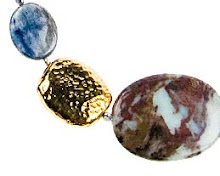
To look at various examples of brushed and shiny gold vermeille, click here.

For other examples of gold vermeille,click here.

Sterling Silver Beads

Silver Beads

Silver Beads allow for great accents to Jewellery Making. They come in all shapes, sizes and forms, and from different countries. Silver Beads make great accompaniment for Semi-precious Stone Beads , Fresh Water Pearls and crystals, because of the contrast in lustre and texture. Silver Beads is an effective and inexpensive way to add accent to earrings.


Shiny Silver Beads


Some of the best shiny Silver Beads come from Italy. They are machine made, and are seamless. Italians are known for their laser cut Silver Beads. They reflect light like a funky disco ball. Satin Silver Beads add a feeling of luxury. However, satin Silver Beads are difficult to clean once they have tarnished. Most Italian silver is plated or coated for anti-tarnish. Chinese factories produce excellent Silver Beads, but usually they are not coated in lacquer and tarnish faster than Italian Silver Beads.


Antique Silver Beads


Some of the best antique Silver Beads come from Bali. This style of antique and intricate Silver Beads is famously known as Bali Beads. However, many similar Silver Beads are made in India, but some still call them Bali Beads, when they are in fact, not made in Bali at all. You can tell the difference between Silver Beads made in India from those made in Bali. Bali silver is generally better quality, and more intricate. Generations of Indonesians have been making Silver Beads in their homes. The craft has been passed from generation to generation. Indian Silver Beads have come on the market in the past decade as a cheaper alternative, however, their quality has been improving and they are gaining a larger share of the Silver Beads market.


Shiny Brushed Silver Beads


Indians have been making brushed hollow Silver Beads, which have become very popular with the North American Jewellery Making crowd. They are modern, and lend an update look to the venerableSilver Bead. These Silver Beads work very well with Silver Chains and crystals and stones. They lend a clean look to balance colours and unusual shapes.


Hollow-form Silver Beads


Some of the most interesting hollow-form Silver Beads from Isreal. Stones and Findings carries a large variety of Isreali hollow Silver Beads, to see a sample: Sterling Hollow Bead. Instead of casting from a rubber mould, Silver Beads is made in was, lightly painted in a conductive paint, and sat in the plating tank for hours. A heavy layer of Silver is formed on top of the wax shape. The wax is then melted and dripped out of a hole in the Silver Beads. What you're left with is just the Silver in the Silver Bead. It is a much more labour intensive process, and will cost more per gram then solid Silver Beads. However, the bead requires a lot less silver. Hollow Silver Beads are less expensive, thus cost effective for larger shapes.